
Cybersecurity · Calgary & Alberta
Cybersecurity that protects how you do business
We protect your people, devices, accounts and data, and we explain it all in plain language. You'll know where your risks are, what's being done about them and what it means for your clients, your insurance and your bottom line.

Cybersecurity, explained
What does cybersecurity mean for a business?
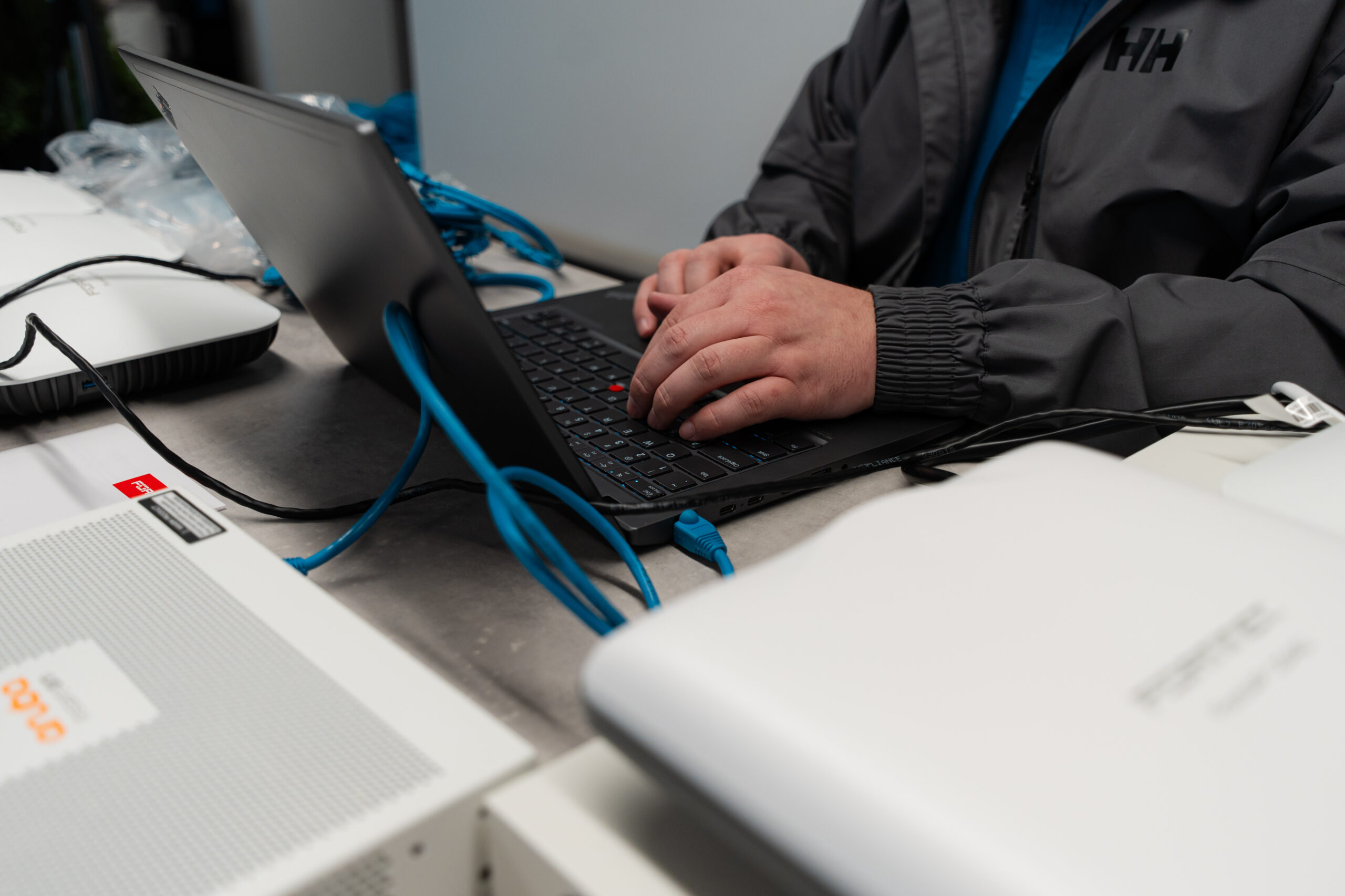
Cybersecurity is the work of keeping your business information and systems safe from theft, damage and misuse. For most businesses, the threats are pretty ordinary. A convincing fake email, a reused password, a laptop that hasn't been updated or a former employee who still has access. Those everyday gaps cause most of the trouble we see.
For an owner, security is really about protecting the business. A breach can mean lost money, days of downtime, upset clients and awkward conversations with your insurer. Many clients and insurance providers now ask what you're doing to protect their information, and having a clear answer helps you win work and keep coverage.
We keep security practical. We put sensible protections in place, keep them up to date and train your people to spot common scams. We explain each step in plain terms, so you understand what you're paying for and why. And because security is part of our everyday IT work, it doesn't fall through the cracks between providers.
Security also isn't something you finish. New staff join, new software gets added and scammers change their tactics. Protections that were fine two years ago may have gaps today. That's why we keep watching and adjusting, and why we check in with you regularly about what's changed in the business and what that means for your risks.
What changes for you
What good security does for your business
Lower risk of a costly incident
Layered protections make it much harder for someone to get in or for a single mistake to turn into a crisis. That protects your cash, your time and your reputation.
Answers for clients and insurers
When a client or insurance provider asks how you protect information, you'll have clear answers. That can help with contracts, renewals and coverage.
Staff who spot scams
Your people become part of the defence. Short, practical training helps them recognize fake emails and suspicious requests before they click.
A plan if something happens
You'll know who to call and what happens next. A quick, organized response limits the damage and gets the business back to normal sooner.
Protecting the business
Security should protect your clients, your money and your reputation without making it harder for your people to do their jobs.
What’s included
What we put in place
Good security isn't one product. It's a set of protections that work together, kept up to date over time. What's included depends on your business, your industry and what you're protecting. Here's what it usually covers.
A security assessment
We start by looking at where you stand. We review your accounts, devices, network, backups and how people work, then explain what we find in plain language. You'll get a short list of risks ranked by how much they matter to the business.
Stronger logins
Stolen passwords are behind a lot of break-ins. We set up multifactor authentication (MFA), which adds a second check like a code on your phone when someone signs in. It's one of the most effective protections a business can add.
Protection on every device
We install and manage security software on computers and other devices, and keep them updated with the latest fixes. That closes the gaps attackers look for and helps stop harmful software before it spreads.
Email protection
Most attacks start with an email. We filter out scam messages and harmful attachments before they reach your staff, and we set up protections that make it harder for someone to send fake emails pretending to be your business.
Security awareness training
We help your people recognize common scams with short, practical training and realistic practice emails. No lectures, no scare tactics. Just enough to help staff pause and check before they click or send money.
Access control
Not everyone needs access to everything. We make sure people can reach what they need for their job and nothing more. When someone leaves, their access gets shut off promptly. That limits the damage a single compromised account can do.
Monitoring and response
We watch for warning signs like unusual sign-ins, suspicious activity on devices and failed security updates. When something looks wrong, we look into it and act quickly. If an incident happens, we lead the response and keep you informed.
Insurance and compliance support
Cyber insurance applications and client security questionnaires can be confusing. We help you understand what they're asking, answer accurately and close any gaps. That can make renewals smoother and help you meet client requirements.
The people you work with
Starting with real risks
We don't sell fear. We look at how your business actually works, where your sensitive information lives and what would hurt most if something went wrong. Then we deal with the biggest risks first.


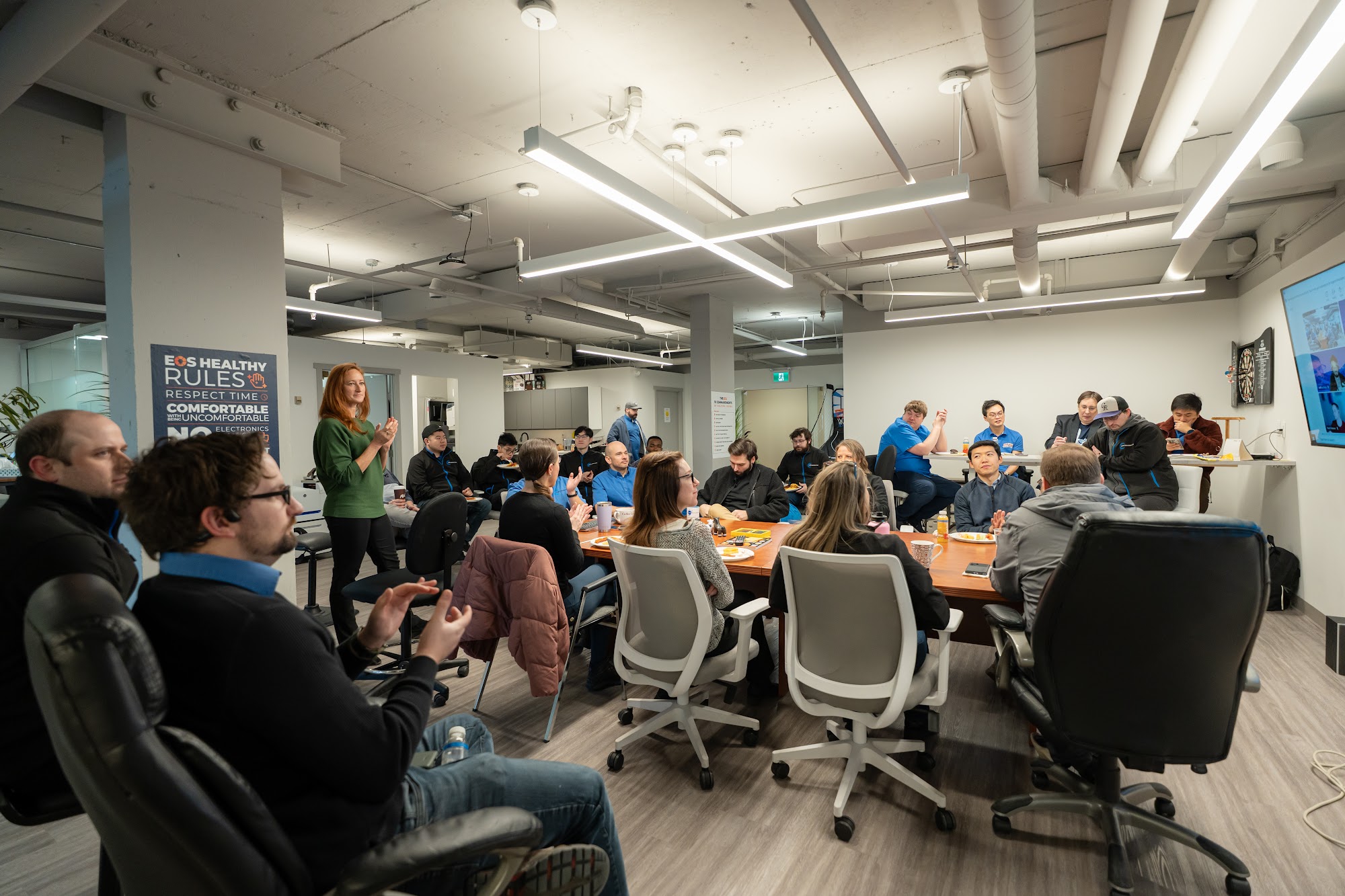

The LAN partnership
Security that's part of everyday IT
We treat security as part of looking after your technology, not a separate add-on. The same team that supports your people and manages your devices keeps your protections up to date. That means fewer gaps, because nothing gets lost between different providers.
We also try to keep security out of your people's way. Protection that's too annoying gets worked around. We look for options that are effective and reasonable to live with, and we explain why each step matters so staff are more likely to follow it.
And we're straight with you. We won't try to scare you into buying things you don't need. We'll tell you where the real risks are, what we'd do about them and what it'll cost. You decide what fits the business and the budget.
How it works
How we protect your business
Assess
We review your current protections, accounts, devices and habits. You'll get a plain-language summary of your biggest risks and what we'd do first.
Protect
We put the most important protections in place, starting with the gaps that matter most. We plan changes so your people aren't disrupted.
Train
We help your staff recognize scams and suspicious requests with short, practical training. Your people become part of the defence.
Watch
We monitor for warning signs, keep protections current and respond if something happens. We review your security with you regularly.
Who we work with
When cybersecurity needs attention
Every business that uses email, stores client information or handles payments needs proper security. We work with professional services firms, non-profits, construction and energy companies, and other Alberta businesses that want to protect what they've built.
It needs attention if you're not sure who's responsible for security, if your insurance provider is asking harder questions or if a client has sent you a security questionnaire. It's also worth a look if you've had a close call, like a staff member clicking a scam email or a fake invoice getting through.
If you don't know how protected your business really is, that's a good reason to find out. We'll give you an honest picture and a practical plan.
You don't need to become a security expert. You need someone who takes responsibility, tells you plainly what's going on and helps you make sensible decisions. That's the role we play for Calgary and Alberta businesses every day.
Frequently asked questions
Cybersecurity FAQ
01What cybersecurity does a small business need?
Most businesses benefit from multifactor authentication, security software on every device, regular updates, email filtering, tested backups, staff training and sensible access controls. We'll help you decide what to do first based on your risks.
02What is multifactor authentication?
Multifactor authentication (MFA) adds a second check when someone signs in, like a code on their phone. Even if someone steals a password, they can't get in without that second step.
03How do most businesses get hacked?
Usually through ordinary gaps. A fake email that tricks someone into sharing a password, a device that hasn't been updated or an old account that was never shut off. Those are the gaps we close first.
04Do we need security training for our staff?
Yes. Many attacks rely on fooling a person rather than breaking technology. Short, practical training helps your people recognize scams and pause before clicking or sending money.
05Can you help with our cyber insurance application?
Yes. We help you understand what insurers are asking, answer accurately and put any missing protections in place. That can make applications and renewals smoother.
06What happens if we have a security incident?
Contact us right away. We'll work to contain the problem, protect your systems and data, keep you informed and help you recover. Afterward, we'll look at what happened and close the gap.
07Is cybersecurity included in managed IT services?
Security is part of our everyday managed IT work, including updates, device protection and access control. Some businesses need more, like advanced monitoring or compliance support. We'll talk through what fits during an assessment.
08How do we know if our business is protected?
Start with an assessment. We'll review your current setup, explain what we find in plain language and give you a short, ranked list of what to fix. You'll know exactly where you stand.
Start with a conversation
Find out where you stand
Most owners aren't sure how protected they really are. We'll take a look, explain what we find in plain language and help you decide what to fix first.