
Planning & Strategy · Calgary & Alberta
IT planning that follows your business plan
We help you decide what to spend on technology, when to spend it and why. You get a written plan tied to your goals and budget, so IT stops being a list of surprises and starts helping the business grow.

Planning, explained
What is IT planning and strategy?
IT planning and strategy means deciding ahead of time what your business needs from technology. It covers what to replace, what to add, what to stop paying for and roughly when each of those things should happen. Most owners we meet don't have that. They have a stack of renewals, a few aging computers and a feeling that something's going to break at the worst possible time.
A plan changes the conversation. Instead of reacting to the latest problem, you can see the next year or two laid out. You'll know which projects matter most to the business, what they'll roughly cost and what happens if you wait. That makes budgeting easier, and it means fewer rushed decisions made under pressure.
We keep it practical. You won't get a thick binder full of technical terms. You'll get priorities in plain language, with the business reason behind each one. And because we look after technology for Calgary and Alberta companies every day, our advice comes from what actually works for businesses like yours, not from a sales brochure.
A good plan also takes pressure off you. You won't be the one deciding, on a busy afternoon, whether a vendor's quote makes sense or whether that old server can last another year. Those questions get answered ahead of time, with numbers and reasons. When something new comes up, like a client asking for a new way to share files, you'll have a framework for deciding instead of starting from zero.
What changes for you
What a plan does for your business
Budgets without surprises
You'll see upcoming costs well before they land. Replacements, renewals and projects get spread out sensibly, so you can plan cash flow instead of finding money in a hurry.
Spending that pays off
Every recommendation comes back to a business reason. If something won't save time, reduce risk or help you serve clients, we'll tell you it can wait.
Room to grow
Hiring, a new location or a new line of work shouldn't stall because the technology isn't ready. We plan for growth so your people can get set up and working quickly.
Clear decisions
You'll understand the options and the trade-offs. We explain what each choice means for your people and your budget, then you decide with real information in front of you.
Planning ahead
Your technology should be ready for where the business is going, not scrambling to catch up after you get there.
What’s included
What we plan with you
Planning covers more than a shopping list. We look at how the business runs today, where it's going and what technology needs to change along the way. The exact mix depends on your size, your industry and what's on your mind. Here's what it usually includes.
A review of where you are now
We start by looking at what you have. That means your computers, software, accounts, internet and phones, plus how people actually use them day to day. We also ask staff what's frustrating them. You'd be surprised how often the biggest time-wasters never make it to the owner's desk.
A written technology roadmap
A roadmap is a plain-language schedule of what should happen and when. It might cover the next quarter, the next year or the next three. Each item has a reason, a rough cost and a suggested timing, so you can see how the pieces fit together and adjust as plans change.
Budget forecasting
We help you put realistic numbers against the plan. That includes one-time projects, ongoing subscriptions and equipment that will need replacing. You can bring those numbers to your next budget meeting and know where they came from.
Equipment replacement planning
Computers and network equipment don't last forever. We track how old everything is and plan replacements before machines get slow or stop getting security updates. Spreading those costs out is a lot easier on the business than replacing ten laptops in the same month.
Software and subscription reviews
Monthly subscriptions add up quickly, and many businesses pay for licences nobody uses anymore. We review what you're paying for, what overlaps and what's missing. Sometimes the plan saves money right away. Sometimes it finds a better tool for the job.
Risk and security priorities
Planning includes deciding which risks to deal with first. We look at things like how you'd recover from an outage, who can access what and what your insurance provider expects. Then we rank the fixes by how much they protect the business, so the most important ones happen first.
Growth and change planning
Opening a new location, adding staff, buying another company or changing how you work all affect technology. We plan the IT side early, so your people have what they need on day one and the change doesn't stall while someone sorts out logins and equipment.
Regular planning meetings
A plan only helps if someone keeps it current. We meet with you on a regular schedule to review progress, talk about what's changed in the business and update priorities. Those meetings stay short and focused on decisions, not technical detail.
The people you work with
Starting with your goals
Before we talk about equipment or software, we ask about the business. Where are you growing? What's slowing people down? What keeps coming up in budget meetings? The plan comes out of those answers.



The LAN partnership
Advice from people who do the work
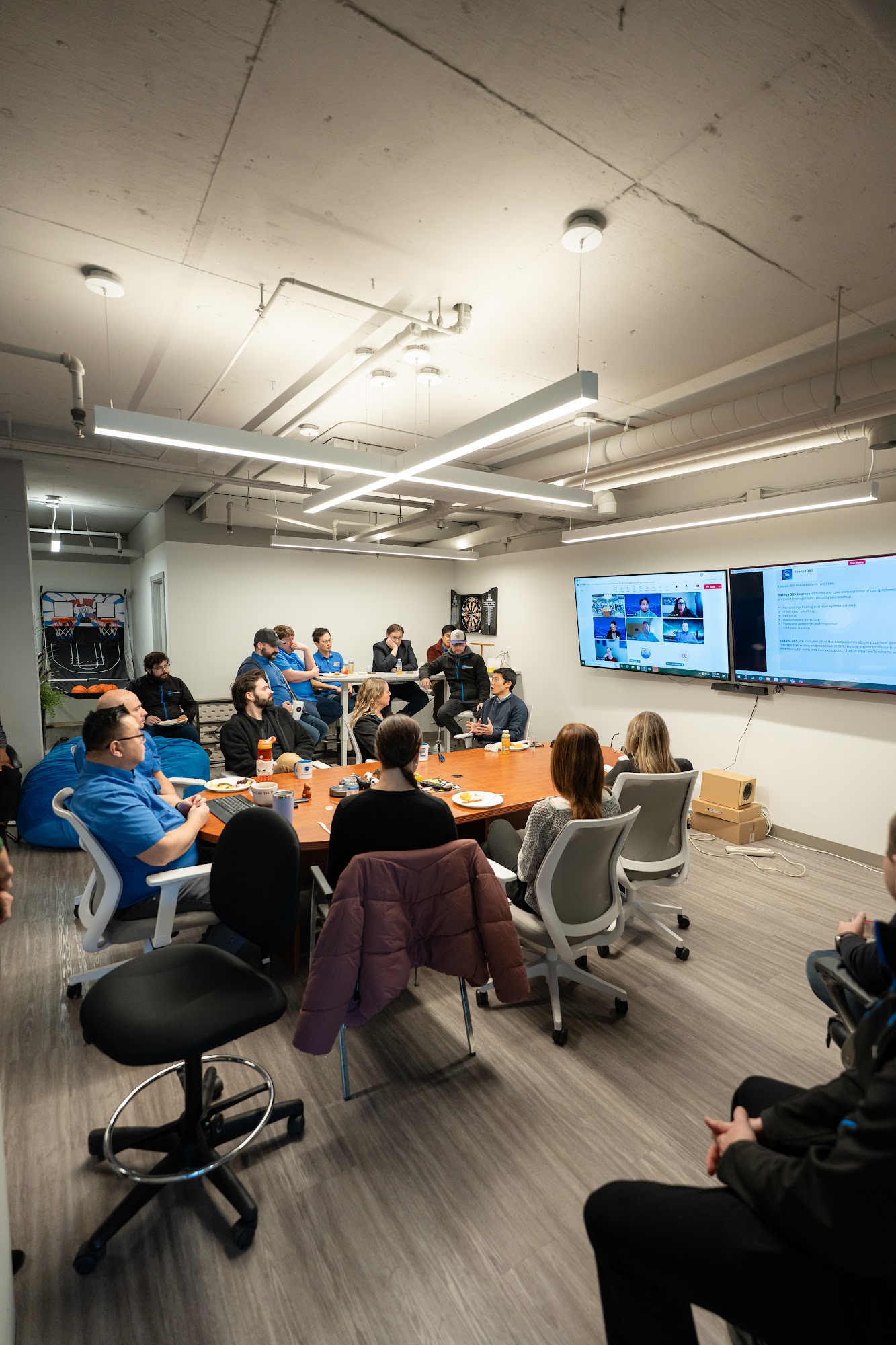
We don't write a plan and walk away. The same team that looks after your technology helps you plan it, so recommendations come from real knowledge of your setup and your people. When we suggest a change, we know how it'll land in your office because we're the ones supporting it.
We also ask a lot of questions about the business itself. Who are your clients? How do they expect to work with you? Where do your people lose time? What would you do with an extra few hours a week? Those answers tell us more about what to spend on than any equipment list.
And if you'd rather not think about technology at all, that's fine too. Our job is to bring you a short list of decisions that matter, explain them clearly and take care of the rest. You stay in control of the budget and the direction. We handle the detail.
How it works
How we build your plan
Listen
We sit down with you and your key people to learn about the business, your goals and what's frustrating everyone. We want the business picture before we look at any equipment.
Review
We look at your current setup, costs and risks. You'll get a clear summary of what's working, what isn't and what's likely to need attention soon.
Plan
We put together a roadmap with priorities, timing and rough costs. We walk you through it, answer questions and adjust it until it fits your budget and goals.
Revisit
We meet regularly to check progress and update the plan as the business changes. New priorities get added. Finished work comes off the list.
Who we work with
When planning makes sense
Planning makes sense for any business that depends on technology and doesn't want to be caught off guard. We work with professional services firms, non-profits, construction and energy companies, and other Alberta organizations that want IT spending to line up with business goals.
It's especially useful when IT costs feel unpredictable, when equipment is getting old all at once or when nobody's sure what you're paying for each month. It also helps when the business is about to change. Growth, a move, a new office or a new way of working all go more smoothly with a plan behind them.
If you've ever approved an IT expense without really knowing why it was needed, a plan will help. You'll know what's coming, why it matters and what it does for the business.
Some owners come to us after a rough year with IT. Others just want a clearer budget before they grow. Both are good reasons. The goal is the same either way. You should be able to look at your technology costs and know what each one does for the business, and what's coming next.
Frequently asked questions
IT planning and strategy FAQ
01What is IT planning and strategy?
It's deciding ahead of time what your business needs from technology, when and why. You get a written roadmap with priorities, timing and rough costs that line up with your business goals and budget.
02Why does a small business need an IT plan?
Without one, technology spending tends to happen in emergencies. A plan spreads costs out, avoids rushed decisions and makes sure money goes to the things that actually help your people and your clients.
03What's in a technology roadmap?
A roadmap lists upcoming projects, replacements and changes in order of priority. Each item includes the business reason, a suggested timing and a rough cost, so you can see the full picture and plan your budget.
04How often should an IT plan be updated?
We review it with you regularly and update it whenever the business changes. A new location, new staff, new software or a change in your goals can all shift the priorities.
05Will planning help us save money?
Often, yes. We regularly find unused subscriptions, overlapping software and equipment that's costing more to keep than to replace. Even when it doesn't cut costs, it makes spending predictable and easier to justify.
06Do I need to understand technology to take part?
No. We'll ask about your business, not about servers. Our job is to explain options in plain language and bring you the decisions that matter. You focus on the business side.
07Can you help us budget for next year?
Yes. We put realistic numbers against your plan, including projects, subscriptions and replacements. You'll have figures you can bring to a budget meeting, with a clear reason behind each one.
08Is planning included with managed IT services?
Planning is part of how we work with managed IT clients. It's what keeps day-to-day support connected to where the business is going. We can talk through what that looks like for your business during an assessment.
Start with a conversation
Let's talk about what's next
Tell us where the business is headed over the next couple of years. We'll look at what your technology needs to do to get you there and what it might cost.